Godspeed / Silver Mt. Zion / Efrim
Let the work speak.
Slow accumulation, damaged film texture, anti-personality stance, political grief held without spectacle, and stubborn light through collapse.
Front-end moodboard / public domain site
Evidence archive, repair manual, museum object record, and field notebook. High-contrast by default. 70 percent technical record, 30 percent poetic voltage. The archive is the art.
Understated before anything else
Classically trained scientist energy
Yellowed, dusted, noisy, clear
Optimistic despite the record
Research Layer
Godspeed / Silver Mt. Zion / Efrim
Slow accumulation, damaged film texture, anti-personality stance, political grief held without spectacle, and stubborn light through collapse.
Codec Channel
Frequency, memory, save state, mission log, useful counsel, and calm voices in the wire. The interface should guide, not perform.
Archive Method
Every artifact gets named, measured, photographed, and given a path back into use. Hope arrives through documentation.
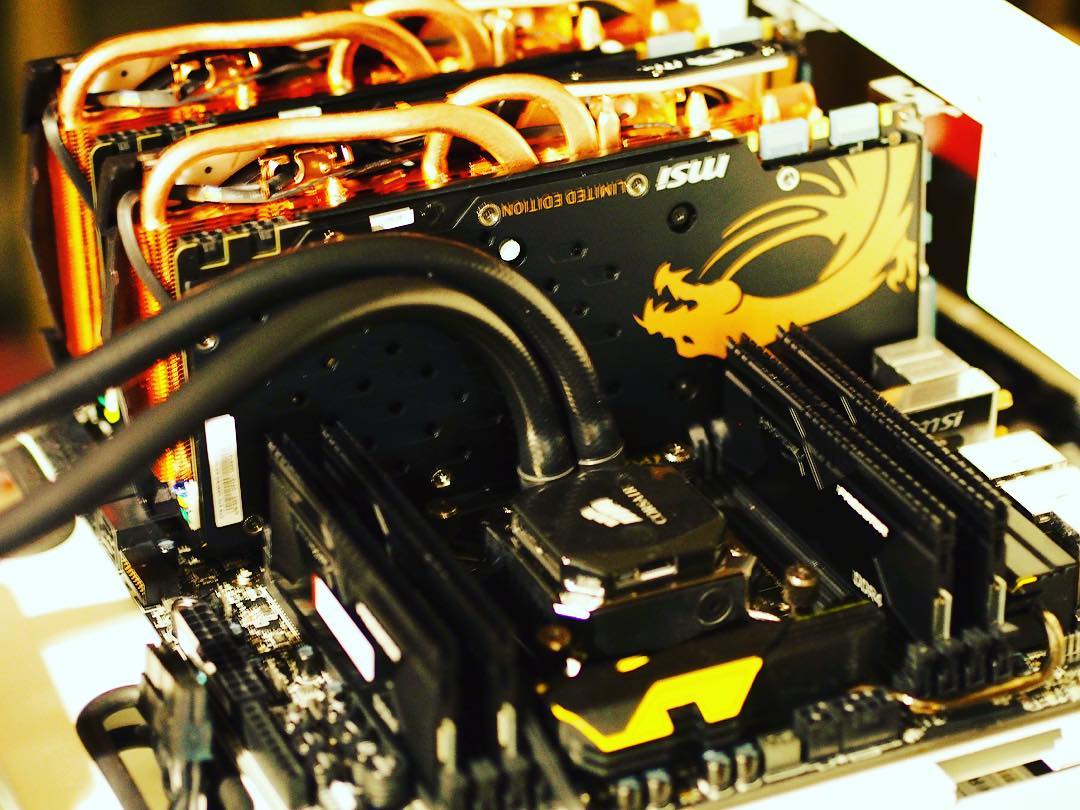
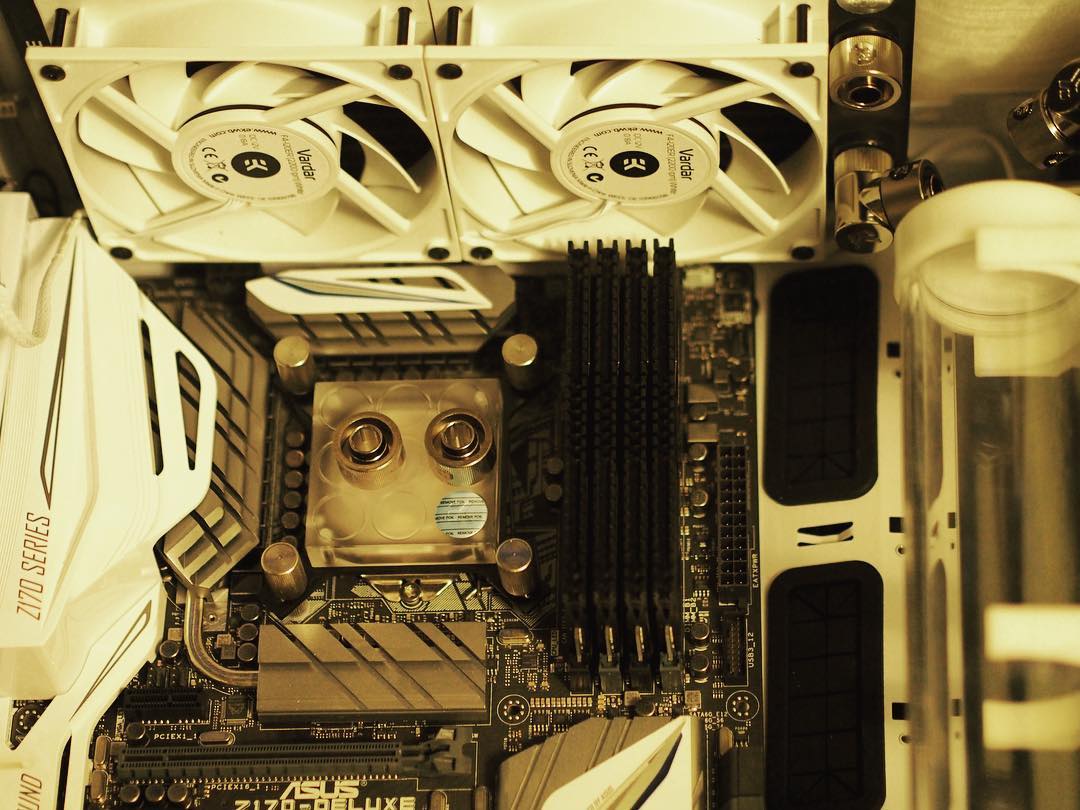
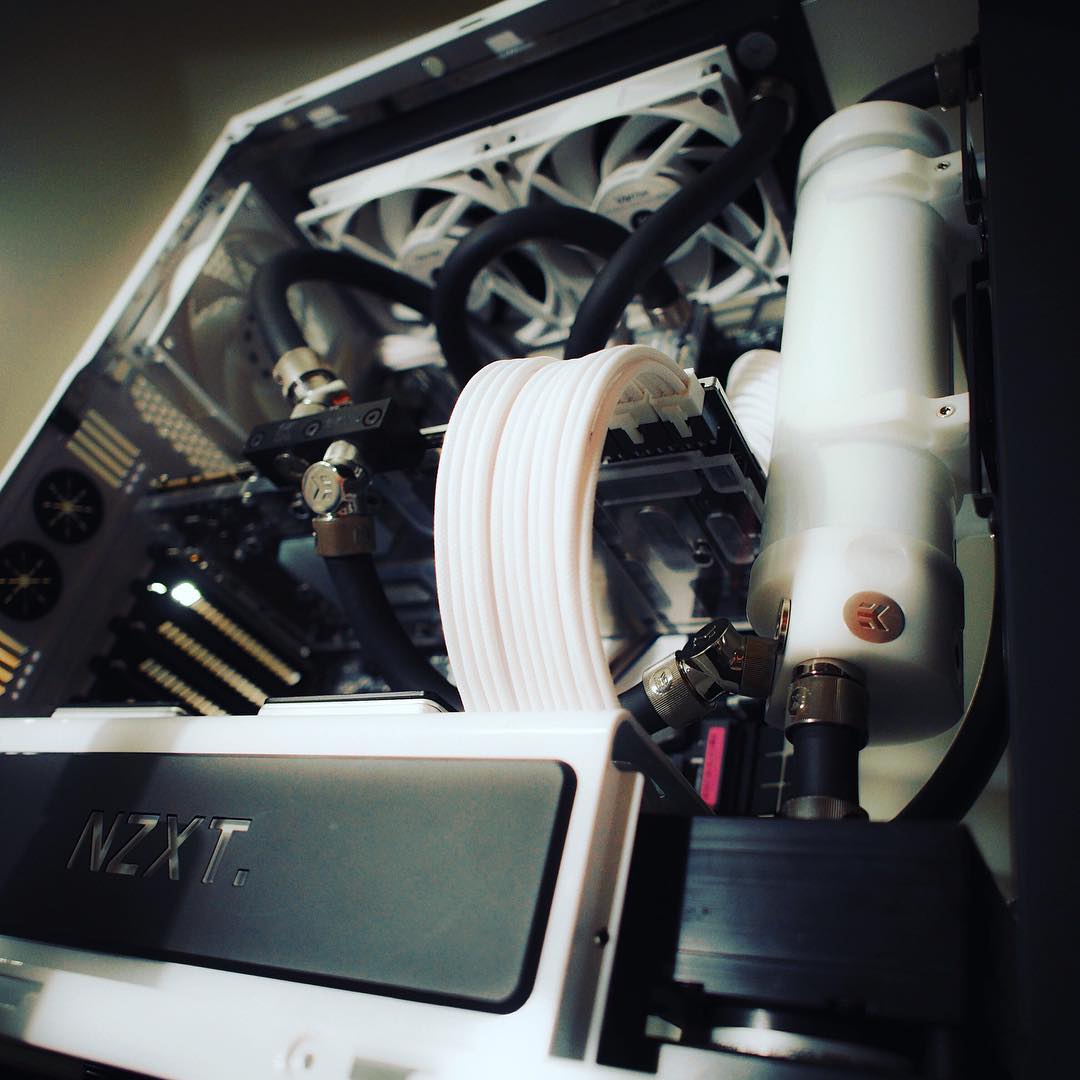
Image Language

Palette
#000000
#020617
#22d3ee
#4ade80
#fbbf24
#f59e0b
#e879f9
#c47a3a
#94a3b8
Typography
Display / serif
Archive first. Judgment later.
Interface / sans
Field logs, object records, restoration status, source links, mission log.
Reference / mono
CASELABS-MERCURY-S8 / STATUS: ON BENCH / SOURCE: RECOVERED
Component Grammar
On bench Recovered
Artifact Record
140.85 / Signal
Line open. Preserve the raw dump, identify the artifact, then rebuild only what the evidence can support.
Field Log
Publish one clean record. Attach the raw source. Keep the next shelf visible.
Shelf Index
Design Rules